What counts as civil work?
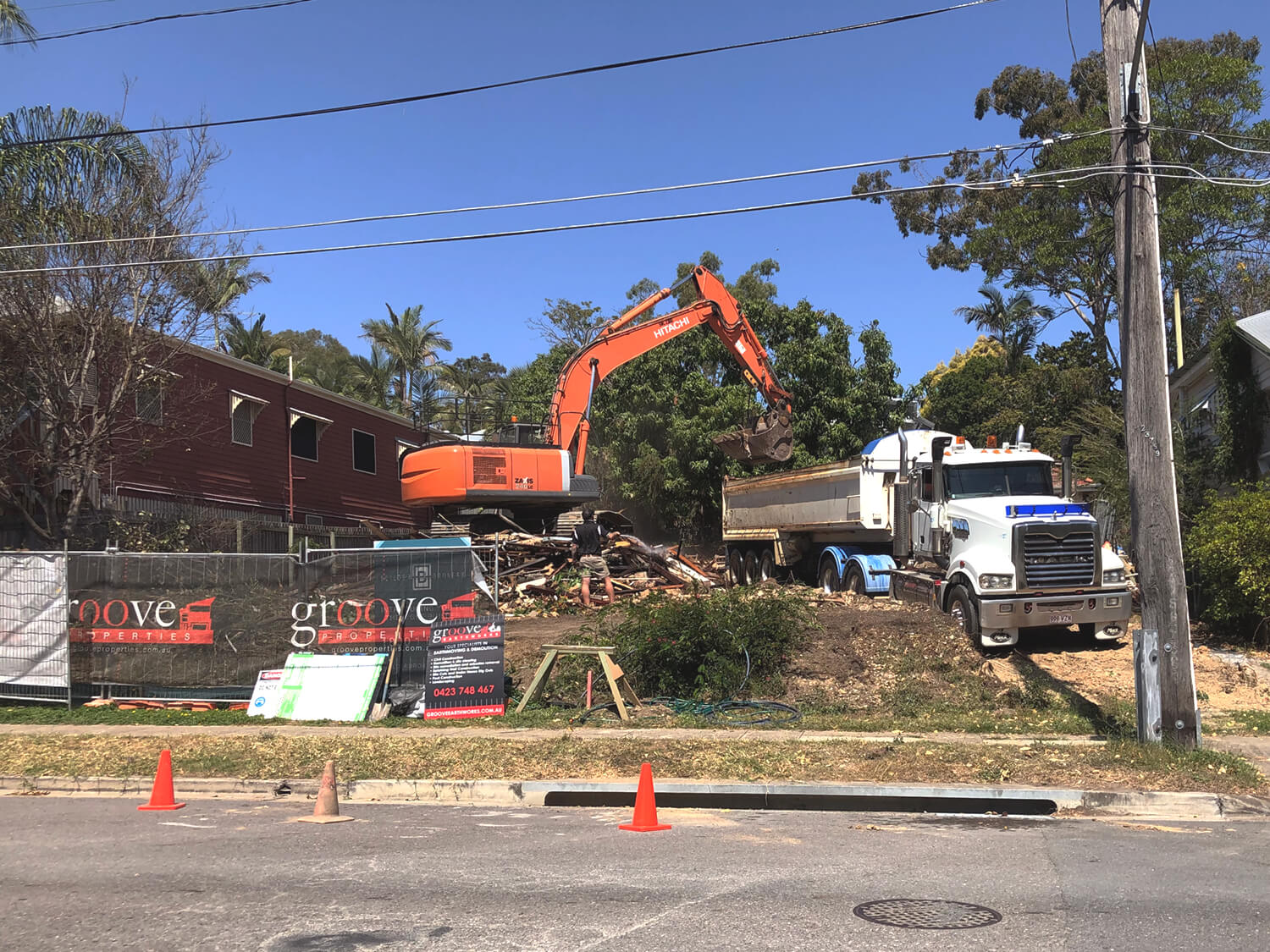
Civil work is the practical preparation that makes a site ready for the building phase. Its scope changes with the land and the proposal, but it often includes clearing, demolition where required, bulk earthworks, drainage, retaining walls, access roads and service trenches. These items are not background tasks. They set the levels, paths and connections that the rest of the project relies on.
For a landowner, the important point is that the site needs a coordinated plan before machinery arrives. A driveway position can affect drainage. A retaining wall can affect service routes. Earthworks can change how vehicles and people move through the site. Looking at those links early gives the team a clearer basis for the construction programme.

Start with the ground and water
The first question is what the land is doing now. Survey information, existing services, site levels, access points and visible drainage paths help the team understand the starting position. If the site has a slope, a low point or a tight entry, those details should shape the early approach rather than be treated as problems to solve late in the build.
Earthworks may be needed to create workable levels for buildings, roads, parking and outdoor areas. Drainage planning then needs to move water through and away from the site in a considered way. The exact requirements depend on the proposal and approvals, so project-specific advice from the relevant consultants and local council remains important before assumptions are locked into the design.
Plan access, services and sequencing together
Access is more than the final driveway. Construction vehicles need a safe way to enter, turn and leave, while the completed project needs practical routes for residents, customers, deliveries or maintenance. Roadworks, footpaths, kerbs and parking areas can all form part of the wider civil scope, depending on the project.
Services also need room and order. Water, sewer, power, communications and stormwater components should be considered alongside excavation and retaining work. A clear sequence can reduce clashes, such as reopening a finished area to install something that could have been planned before it was covered. This is where early construction project management helps keep design, approvals and site activity connected.
One site team, several project types
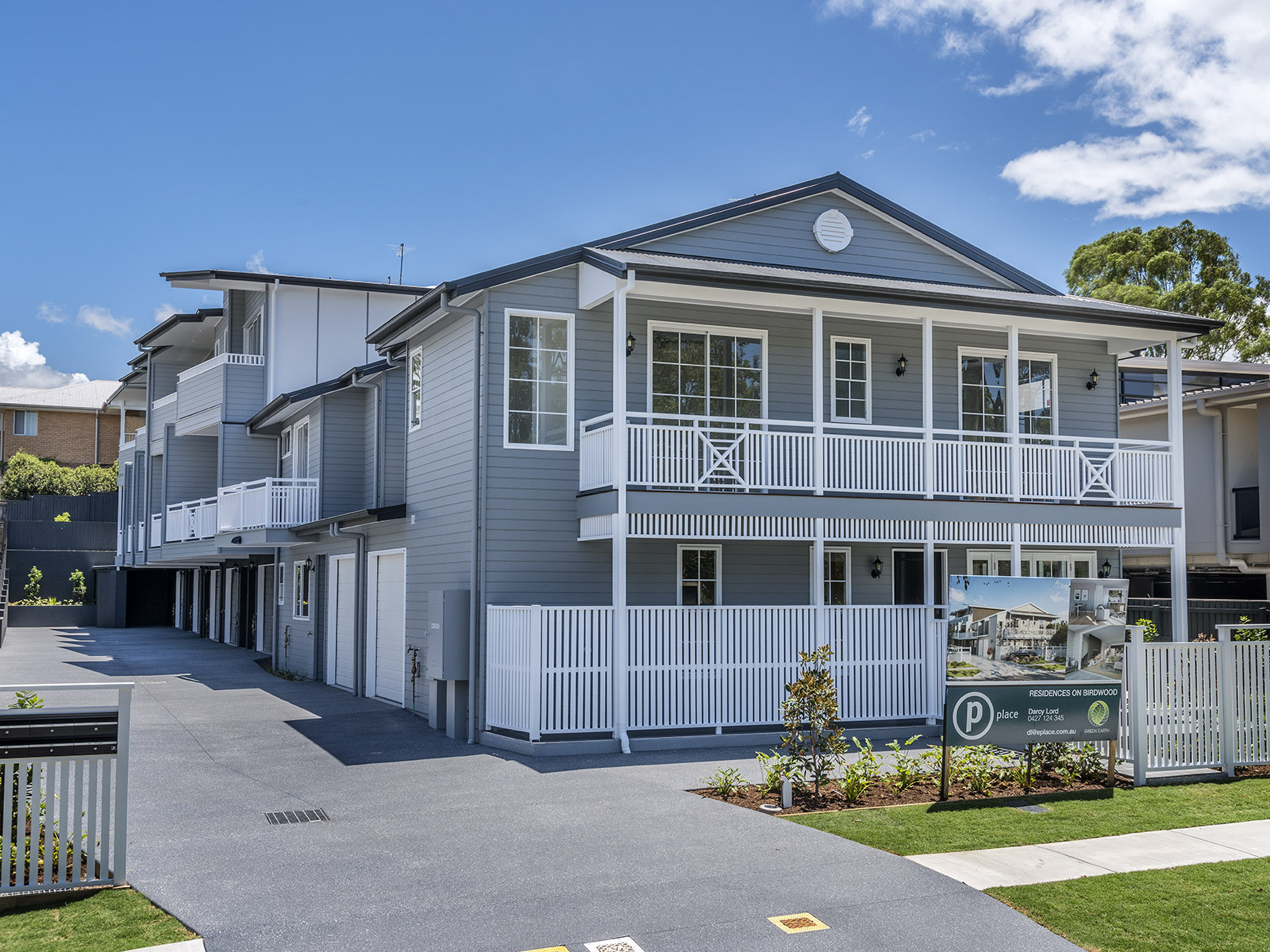
On a residential project, the civil scope and the building scope are really one continuous piece of work, not two separate contracts handed between teams. When earthworks, retaining and drainage decisions carry straight through into the building layout without a handover gap, the residential construction team inherits a site that has already been thought through, rather than one still throwing up surprises once framing begins.
The same logic applies to civil-heavy commercial sites — a childcare centre, warehouse or larger subdivision — where reliable access, drainage and service coordination need to be resolved before the building phase can proceed with confidence. Groove Properties brings its civil and building capability into the same conversation, which keeps that handover point from becoming a gap in the project.
What good early civil input looks like
Good early input does not mean deciding every detail before the project is ready. It means identifying the decisions that influence everything else, such as the main access point, likely finished levels, drainage direction and the position of major services. The team can then investigate those matters in the right order rather than relying on assumptions.
It is also useful to keep the civil scope visible in the wider project programme. Survey work, consultant design, approvals and site preparation can each affect the next step. A simple action list showing who is responsible for each item helps the client understand what is being resolved and why it matters before construction starts.
The result is not a promise that every site condition is known from day one. It is a more informed start, with fewer avoidable surprises caused by treating the ground, drainage and access as separate from the building work.
It also gives the client a better way to compare options. Instead of asking whether a site is simply ready or not ready, the conversation can focus on what must be investigated, designed or sequenced before the building phase can proceed with confidence.
Before appointing contractors, make sure the site briefly identifies the information already available and the information still to be confirmed. This supports useful conversations with surveyors, designers and delivery teams, and gives the civil scope a clear place in the wider project plan.

Questions to settle before work starts
Before work begins, ask what needs to be built below ground, how water will move, where vehicles will enter and how services will reach the building. It is also helpful to ask which decisions depend on consultant input or approvals, and what needs to happen first on site. The answers create a more useful brief than a simple list of trades.
If you are planning a project, explore Groove Properties’ civil works before construction service and view the Civil project portfolio for an overview of the work the team delivers. A project discussion can then focus on the actual site, proposed use and delivery path.