
Natural light makes living spaces extraordinary. When planning your townhouse in Brisbane, understanding townhouse natural light design principles can make a huge difference to both the look and functionality of your home. Smart design around natural light creates healthier, more energy efficient spaces that feel spacious and welcoming: essential in modern townhouse living where every square metre counts. Natural light and bright light helps to create an airy feel, especially in small spaces, making them feel larger and more inviting.
Brisbane’s subtropical climate means we have sunshine all year round, so we have a unique opportunity to make the most of natural light. But townhouses have their own challenges: shared walls, narrower floor plates and proximity to neighbours. The good news is that clever design can overcome these limitations and flood your interiors with beautiful natural light. In modern homes big windows and open plan living maximise bright light and make small spaces feel more open and airy.
What is Natural Light
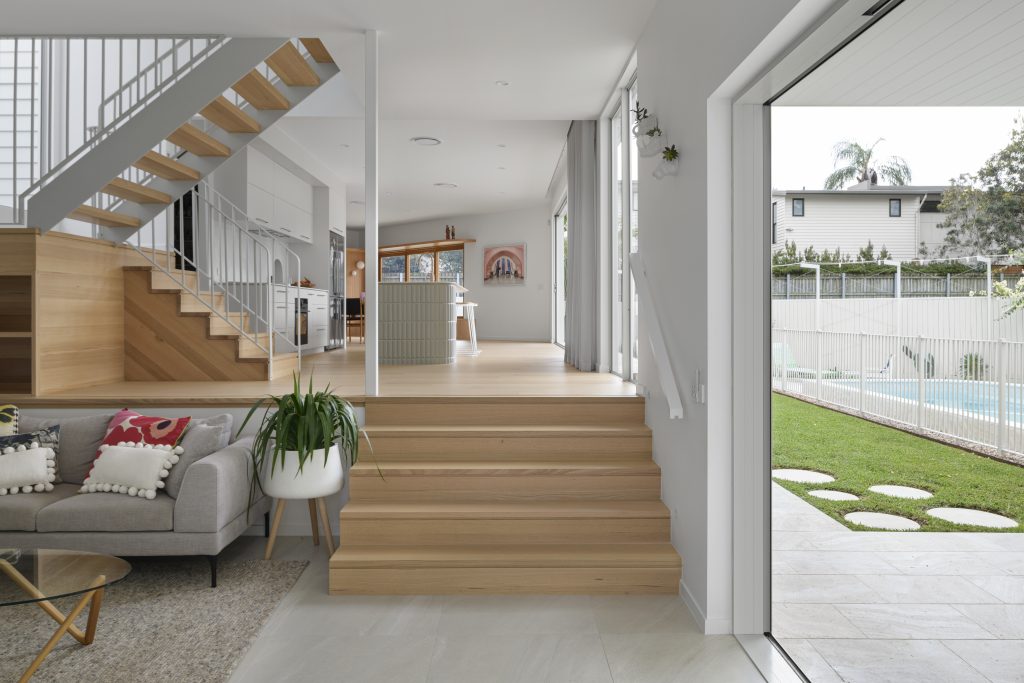
Natural light is a key part of any living space, how we experience our homes every day. By bringing natural light into interiors we can create a warm and inviting space that looks beautiful and feels uplifting. Maximising natural light in living spaces goes beyond aesthetics: it’s crucial for mood, overall wellbeing and energy efficiency. When a space is filled with bright natural light it feels more expansive and welcoming, we relax and are more productive. Thoughtful design that prioritises natural light creates spaces that are functional and inspiring, making every room feel brighter, warmer and more connected to the outdoors.
Why Natural Light in Townhouse Design
Before we get into the design strategies, let’s understand why natural light deserves so much attention in your townhouse. Natural light not only boosts mood and overall wellbeing but also has a positive impact on mental health and moods. Natural light can improve emotional wellbeing, contribute to better psychological health and create a healthy living environment.
Health and Wellbeing Benefits
Natural light has a measurable impact on human health. Daylight regulates our circadian rhythms, improves sleep and mood. Studies show people living in naturally lit spaces experience reduced eye strain, fewer headaches and better mental wellbeing. For families spending most of their time indoors, especially those working from home, these benefits are even more pronounced.
Vitamin D is synthesised in the skin when exposed to sunlight, supporting bone health and immune function. We shouldn’t rely solely on indoor light but a well lit townhouse increases incidental sunlight throughout the day.
Energy Efficiency and Sustainability
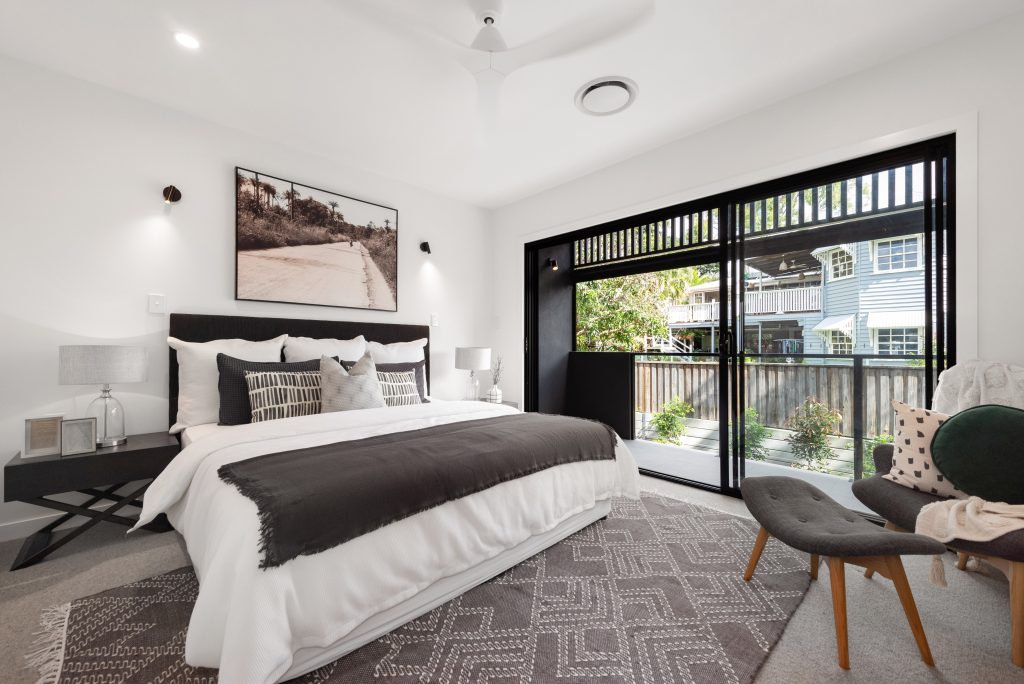
Maximising natural light reduces reliance on artificial lighting during the day, lowering electricity consumption and bills. Energy efficient windows further enhance this by reducing energy consumption and bills as they maintain thermal comfort and maximise natural light. In Brisbane’s climate this goes beyond just lighting. Properly designed natural light strategies incorporate passive solar principles, warming interiors in winter and minimising heat gain in summer through clever overhangs and shading.
Queensland’s focus on sustainable building practices makes natural light optimisation more important for meeting energy efficiency standards. Modern townhouse developments that prioritise daylighting often get better sustainability ratings and add value to your investment.
Spatial Perception and Property Value
Light makes spaces feel larger and more open. This psychological effect is particularly valuable in townhouses where compact floor plans require clever design to avoid feeling cramped. Bright naturally lit rooms create an illusion of space that no artificial lighting can replicate.
From a resale perspective properties with great natural light always command a premium price. Buyers notice and value bright interiors, so thoughtful townhouse natural light design is a smart financial decision beyond the lifestyle benefits. Natural light also enhances the heart of the home, especially in the open plan kitchen, living and dining areas making these central spaces even more attractive to buyers.
Design Strategies for Maximising Natural Light
Daylighting in townhouses requires intentional design from the very beginning. Considering the orientation of the townhouse on the block is key to optimise sunlight and livability. Here are the strategies Brisbane builders use to create bright interiors.
Window Placement and Sizing
Window location is as important as window size. In townhouses with limited external wall exposure, maximising openings on available facades is crucial. North-facing windows (in the Southern Hemisphere) get consistent, even light throughout the day without the harsh glare of western sun or limited exposure from southern aspects.
Consider these window placement principles:
- Upper-level advantages: Larger windows on upper floors take advantage of unobstructed sky views, especially important when ground floors face neighbouring structures or boundary fences where lower level windows may be blocked by these obstacles and prevent direct natural light from entering. Clerestory windows high on walls allow light to penetrate deep into floor plans without compromising privacy.
- Corner positioning: Townhouses with corner positions have dual-aspect opportunities. Placing living spaces in these locations allows light to enter from multiple directions, creating dynamic naturally lit spaces throughout the day.
- Size considerations: While larger windows let in more light, the relationship between window size and wall space needs balance. Excessive glazing can create thermal comfort issues and reduce wall space for furniture. Quality builders calculate optimal window-to-floor area ratios that maximise light while maintaining energy efficiency.
Skylights and Roof Windows
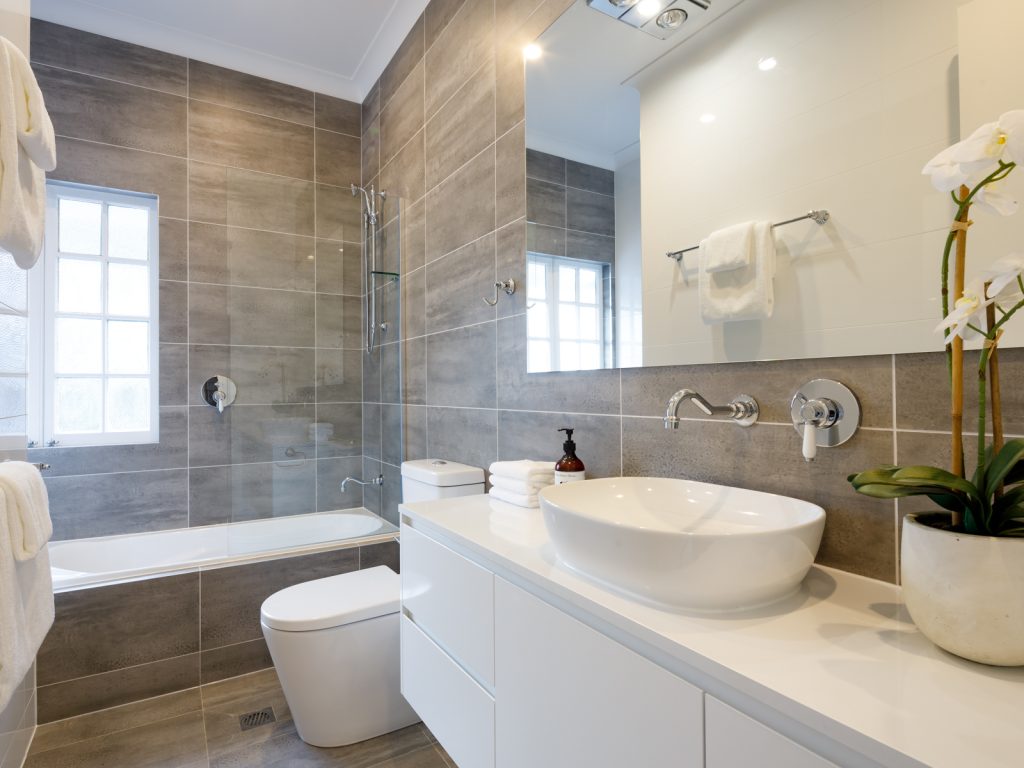
When vertical wall space is limited, looking up provides solutions. Skylights deliver up to three times more light than vertical windows of the same size as they are oriented towards the sky dome. They’re perfect for central areas of townhouses where external walls aren’t accessible, such as hallways, bathrooms and interior kitchens.
Modern skylight technology addresses traditional concerns about heat gain and maintenance. Double glazed units with low-E coatings reduce thermal transfer while automated opening systems improve ventilation. Tubular skylights are a compact option for smaller spaces like walk-in robes or powder rooms, channeling natural light through reflective tubes from roof to ceiling.
Roof windows on pitched roofs provide similar benefits with the added bonus of views. They work well in loft-style townhouse designs or where upper level ceilings follow the roof line.
Additionally for basement conversions or lower ground floors, incorporating lightwells or external access at garden level can introduce valuable natural light and connect these spaces to outdoor areas.
Internal Layout and Space Planning
The internal layout of your townhouse determines how natural light is distributed throughout. Open-plan designs allow light to travel from external walls deeper into the floor plate, eliminating dark corridors and isolated rooms. The dining area, part of this open-plan space, gets more natural light and is a central hub for socialising and daily activities.
- Transparent and translucent elements: Internal glazing between rooms maintains visual connections and light transfer while providing acoustic separation. Frosted or textured glass balances privacy with light transmission: ideal for bathrooms, home offices or bedrooms opening onto living areas.
- Multi-level planning: In double or triple-storey townhouses, strategically placed voids or double-height spaces create dramatic light wells. Light captured on upper levels filters down through these vertical connections, lighting lower levels naturally. This also enhances the sense of volume and connection between levels.
- Core positioning: Placing wet areas (bathrooms, laundries) and storage spaces towards the centre of the floor plan leaves external walls for living spaces, bedrooms and areas where natural light provides maximum benefit.
Light Shelves and Reflective Surfaces
Light shelves are horizontal surfaces above eye level at windows. They reflect incoming light onto ceilings which then distribute it deeper into rooms. This passive technique increases light penetration while reducing glare at eye level, especially effective on north-facing windows in Brisbane’s high-sun conditions.
Interior finishes impact light behaviour within indoor spaces. Light-coloured walls, ceilings and floors reflect and amplify available natural light while darker finishes absorb it. Glossy or semi-gloss paint finishes reflect more than flat or matte surfaces. Light diffusion can be further improved by incorporating metallic accents and soft neutrals which reflect light and create a brighter, more open feel throughout indoor spaces. Consider these reflective strategies:
White or pale ceiling colours bounce light throughout rooms most effectively. Even when walls have darker or richer tones, keeping light ceilings preserves brightness. Polished concrete floors, popular in modern townhouse design, reflect light beautifully while providing thermal mass benefits. Large mirrors placed opposite windows multiply perceived light and space.
Common Townhouse Natural Light Challenges in Brisbane
Brisbane townhouses face specific natural light challenges. Understanding these challenges and their solutions ensures your project gets bright, comfortable living spaces.
Boundary Setback Limitations
Queensland planning regulations require minimum setbacks from boundaries, often limiting window placement options, especially on side walls. Creative solutions include:
- Vertical emphasis: Tall, narrow windows maximise light in constrained wall areas. Highlight windows above standard openings capture light without overlooking concerns.
- Screening strategies: Louvred screens or perforated panels satisfy privacy requirements while allowing light and ventilation. These architectural features add visual interest while serving practical purposes.
- Courtyard integration: Where possible, internal or boundary courtyards create private external spaces that bring natural light into the centre of townhouse floor plans, solving both light and outdoor access challenges at once.
Neighbouring Building Overshadowing
Urban density means neighbouring buildings will always impact light. Builders and designers can mitigate overshadowing through:
- Height advantages: Multi-storey townhouses place primary living spaces on upper levels where overshadowing has less impact. This inverted design approach puts bedrooms on ground floors and living areas above, maximising light in most-used spaces.
- Light direction diversity: Rather than relying on potentially compromised facades, capturing light from multiple directions ensures some openings remain unaffected by shadows throughout the day.
- Timing considerations: Understanding shadow patterns across different seasons helps prioritise window placement. Computer modelling during design phases predicts annual sun paths and overshadowing impacts, informing decisions.
Privacy Versus Openness Balance
Townhouse proximity to neighbours requires careful consideration of privacy without sacrificing natural light. Several approaches achieve both:
Elevated windows allow light in while preventing direct sightlines into or from neighbouring properties. Frosted glass in strategic locations, such as bathroom windows or bedroom sidelights, lets light in while ensuring privacy. Adjustable external shading, including retractable awnings, plantation shutters or vertical gardens, provides flexible privacy control while maintaining light access when desired.
Material and Colour Selection for Light Enhancement
Beyond architectural elements, material choices throughout your townhouse impact how natural light performs within spaces.
Glass Specifications
Not all glass is created equal. Standard clear float glass transmits around 90% of visible light but modern alternatives offer better performance. Low-iron glass eliminates the green tint visible in standard glass edges, providing truer colour rendition and slightly higher light transmission: worth it for large glazed areas where the cumulative effect becomes noticeable.
For Brisbane’s climate, balancing light transmission with thermal performance matters. Low-E (low-emissivity) coatings can be tuned to let in visible light while reflecting infrared heat, keeping interiors brighter and cooler. Double-glazed units provide better thermal and acoustic performance without compromising light levels when specified correctly.
Interior Finishes and Furnishings
The relationship between natural light and interior finishes is the final lived experience. Light reflects differently from various materials:
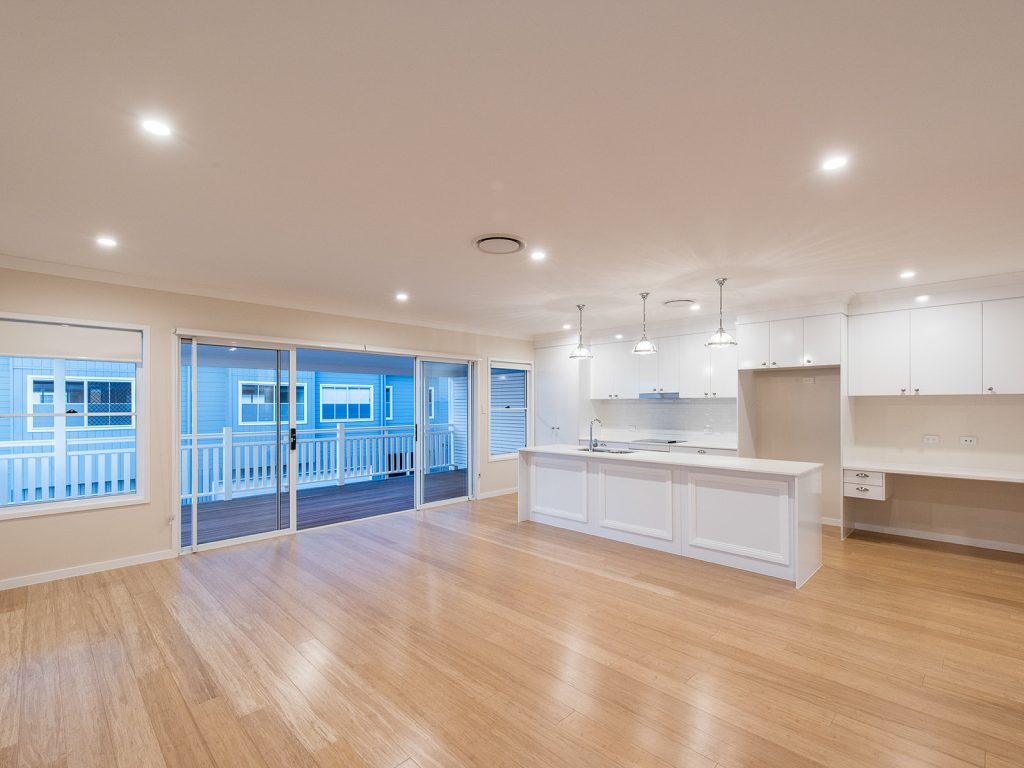
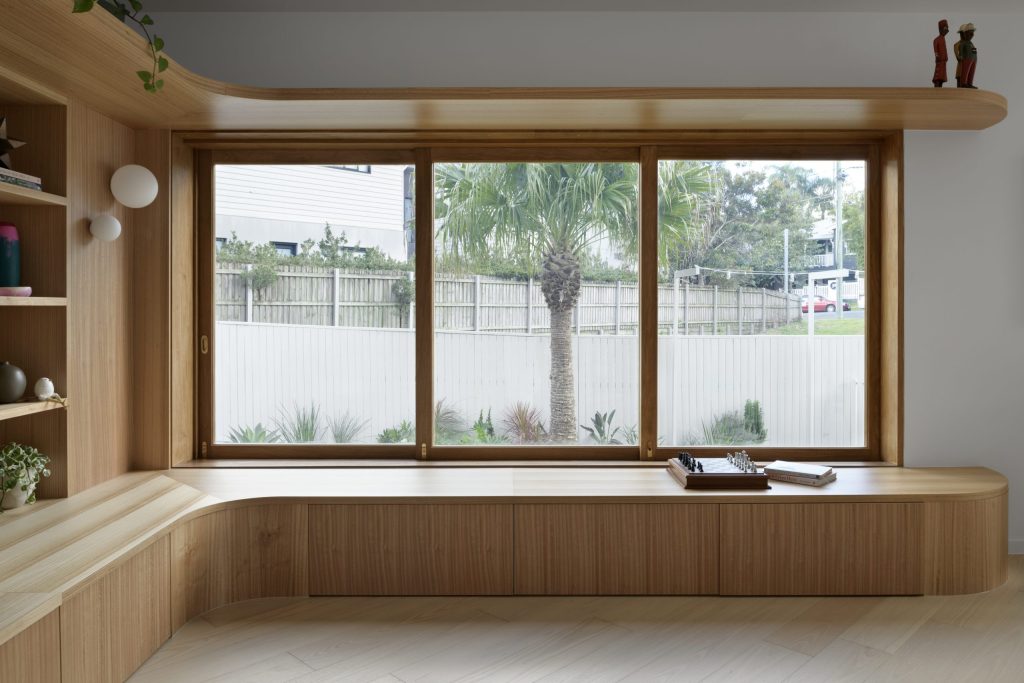
Timber flooring in lighter tones, such as oak or blonde bamboo, reflects more light than darker species. If you prefer richer timber tones, balance them with lighter walls and more window area. Benchtops like white stone or light-coloured engineered surfaces in kitchens reflect light into adjacent spaces, keeping these areas bright.
Cabinetry finishes have a big impact on room brightness. White or light-coloured kitchen and bathroom cabinets let in more natural light, while darker units are stylish but absorb light. If you choose darker cabinetry, make sure there’s enough window area to compensate.
Furnishing choices extend this principle. Light-coloured upholstery, rugs and window treatments keep the bright atmosphere created by the architecture. Sheer curtains or light-filtering blinds provide privacy when needed while allowing plenty of daylight in.
Practical Considerations for Brisbane Builders
When designing natural light in townhouses in Brisbane, there are several practical considerations to consider for immediate success and long-term performance.
Climate-Specific Design
Brisbane’s subtropical climate has its own challenges. High summer sun angles require shading to prevent overheating and glare. Eave overhangs, pergolas and external blinds provide adjustable control. North-facing glazing is ideal for light but requires careful shading to prevent summer heat gain while allowing winter sun.
Storm water management integrates with skylight and window design. Proper flashing and drainage prevents water ingress during summer storms and occasional extreme weather events. Quality installation is key to protecting your townhouse investment.
Compliance and Building Codes
Queensland’s building codes have provisions for natural light design. The National Construction Code has minimum natural light and ventilation requirements for habitable rooms. Experienced townhouse builders navigate these requirements while maximising design opportunities, ensuring compliance without compromising vision.
Section J of the Energy Efficiency provisions influence glazing specifications, requiring solar heat gain coefficients and U-values for Brisbane’s climate zone. These requirements actually support good natural light design by encouraging high-performance glazing that lets in light while managing thermal transfer.
Maintenance and Longevity
Designing for natural light means planning for ongoing maintenance. External windows on multi-storey townhouses require cleaning access. Skylights need periodic inspection and cleaning to maintain light transmission and prevent leaks. Good builders provide access solutions and choose durable materials that minimise maintenance demands.
Think about window treatments and shading devices that will last long-term. Motorised systems are convenient but require quality components for reliability. Manual options with durable hardware offer dependable, low-maintenance operation.
Future-Proof Your Townhouse Light Design
As your needs change, adaptable natural light strategies remain relevant and valuable. Flexible internal layouts allow for future changes without compromising daylighting. Open-plan spaces can be subdivided with glass partitions, keeping the light and creating additional rooms. Flexible layouts and smart technology can bring light into new or reconfigured spaces as your needs change.
Smart home technology is integrating with natural light management. Automated blinds and shading respond to sun position and temperature, optimising comfort and energy efficiency. Sensors can adjust artificial lighting based on available natural light, reducing energy consumption seamlessly.
Consider how age affects light perception. As we age we need more light for the same visual acuity. Townhouses with generous natural light remain comfortable and functional throughout all life stages, protecting your investment value.
Design Your Light-Filled Townhouse
Successful townhouse natural light design comes from careful planning, quality construction and thoughtful material selection. By understanding the above principles and working with builders who put these elements first, you can create a Brisbane townhouse that’s bright, healthy and valuable.
Natural light transforms everyday living, from morning coffee in a sun-filled kitchen to relaxing in an outdoor living space that flows seamlessly into the bright interior, or evenings in warmly lit living spaces. These don’t happen by accident, they’re the result of deliberate design decisions made throughout the planning and construction process.
Whether you’re building a new townhouse or renovating an existing property, prioritising natural light delivers returns in comfort, health, energy efficiency and property value. Brisbane’s climate and lifestyle make this investment even more rewarding, creating homes that respond to our environment and enhance daily life.
Ready to design a beautifully lit townhouse that makes the most of Brisbane’s sunshine? Contact our townhouse builders today to discuss how thoughtful design can deliver natural light solutions tailored to your site and lifestyle.

